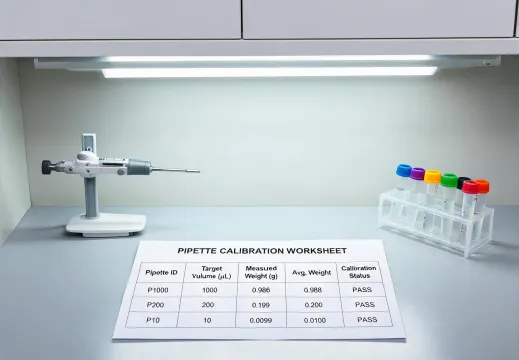
Application review
Sample type, target volume, rotor requirement, environmental condition, and throughput expectation are captured before specifications are compared.
Eppendorf is presented here as a friendly application advisor for analytical and laboratory instrument users who need more than a product name. The site focuses on the records, service expectations, and workflow decisions that make sample handling defensible when results are reviewed by supervisors, quality teams, auditors, or external partners.
Never approve a analytical and lab instruments reading without traceability.
Operating principle for Eppendorf application guidance
The statement is intentionally practical. A laboratory instrument can look familiar, but the final reading only holds up when the chain of handling, calibration, method alignment, and release notes can be followed. Eppendorf content is structured to help users ask better questions before they buy, service, or deploy equipment in a regulated or research-critical setting.
The lab guidance model is built around four working areas rather than a single catalog page. Each area gives a different team a way to evaluate the same instrument decision without losing context.
Sample type, target volume, rotor requirement, environmental condition, and throughput expectation are captured before specifications are compared.
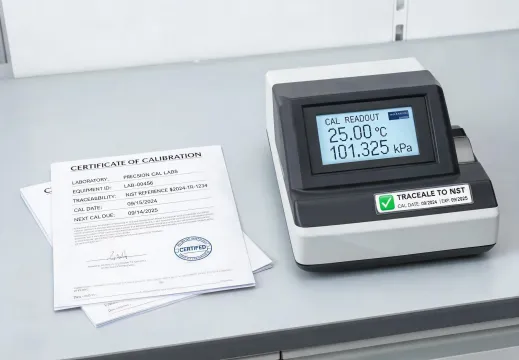
Certificates, service notes, installation records, and training evidence are treated as part of the product experience rather than an afterthought.
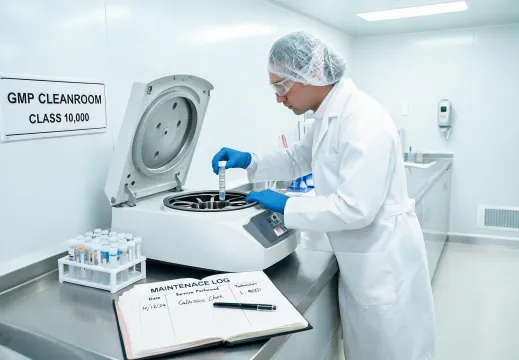
Teams receive practical notes for return-to-use checks, operator handling, maintenance cadence, and situations that should trigger a service review.
Eppendorf resources are written for people who must explain their choices later. The language avoids vague claims and favors quantified requirements, traceable statements, and clear ownership of next steps.
Defines instrument identity, tolerance review, operator use pattern, cleaning condition, and acceptance notes before a calibration interval is confirmed.
Read application notesExplains rotor compatibility, run temperature, load balancing, inspection points, and how to document return-to-service after preventive maintenance.
Review service pathHelps purchasing teams specify certificate needs, ISO/IEC 17025 linkage, and training expectations without hiding technical risk inside a price comparison.
Ask for guidanceIf a device will be used in quality control, research, diagnostics, or regulated production, the selection conversation should include service evidence from the start.